


A domestic violence investigation can begin with a single emergency call, a series of text messages, or officers arriving with body cameras recording the scene. For anyone searching for Austin domestic violence evidence, the important question is rarely whether one recording or message automatically decides the case. Instead, investigators and prosecutors may compare the digital record with witness statements, photographs, medical records, and officer observations. Readers seeking broader guidance can review domestic violence defense in Texas while gathering information for a conversation with counsel. For additional context on this issue, see What if You’re Falsely Accused of Domestic Violence or Abuse in Texas?.
Tijerina Law Firm provides legal guidance for people facing domestic-violence allegations and related criminal-defense concerns. This article explains how 911 calls, texts, body-camera video, photographs, medical records, location data, and witness information may affect a case in Austin, Texas. It also provides a practical preservation checklist and discusses why deleting or changing material can create additional problems.
How Austin Domestic Violence Evidence Is Evaluated as a Whole
Texas family-violence cases may involve competing accounts of what happened. A 911 caller may describe events while upset or frightened. Text messages may show only one part of a longer conversation. Body-camera footage may capture an officer’s arrival but not everything that occurred beforehand. Each item has context, and the meaning of that context can matter.
911 recordings and dispatch information
A 911 recording may preserve the caller’s words, tone, pauses, background sounds, and responses to a dispatcher’s questions. Dispatch records may also help establish when a call was placed and what information was relayed to responding officers. In a Texas criminal case, the recording may be reviewed alongside later statements rather than treated as a complete account by itself.
A 911 call does not necessarily prove every allegation, and the absence of a call does not automatically disprove one. Depending on the circumstances, attorneys may examine whether the recording is complete, whether more than one call exists, and whether later statements differ in meaningful ways. Access and use of recordings can depend on the case, agency practices, and applicable Texas procedures.
Text messages, photographs, and medical records
Text messages can provide timing, context, and information about communications before or after an incident. Screenshots may omit earlier or later messages, attachments, timestamps, reactions, or the identity of the account. Photographs and medical records may document conditions or treatment, but they may not independently establish how an injury occurred or who caused it.
In Austin, the Austin Police Department and other responding agencies may document their observations in reports, photographs, recordings, or related records. Counsel may compare those materials with the accounts of everyone involved. The central issue is usually the complete chronology, not merely the most dramatic image, phrase, or sound bite.
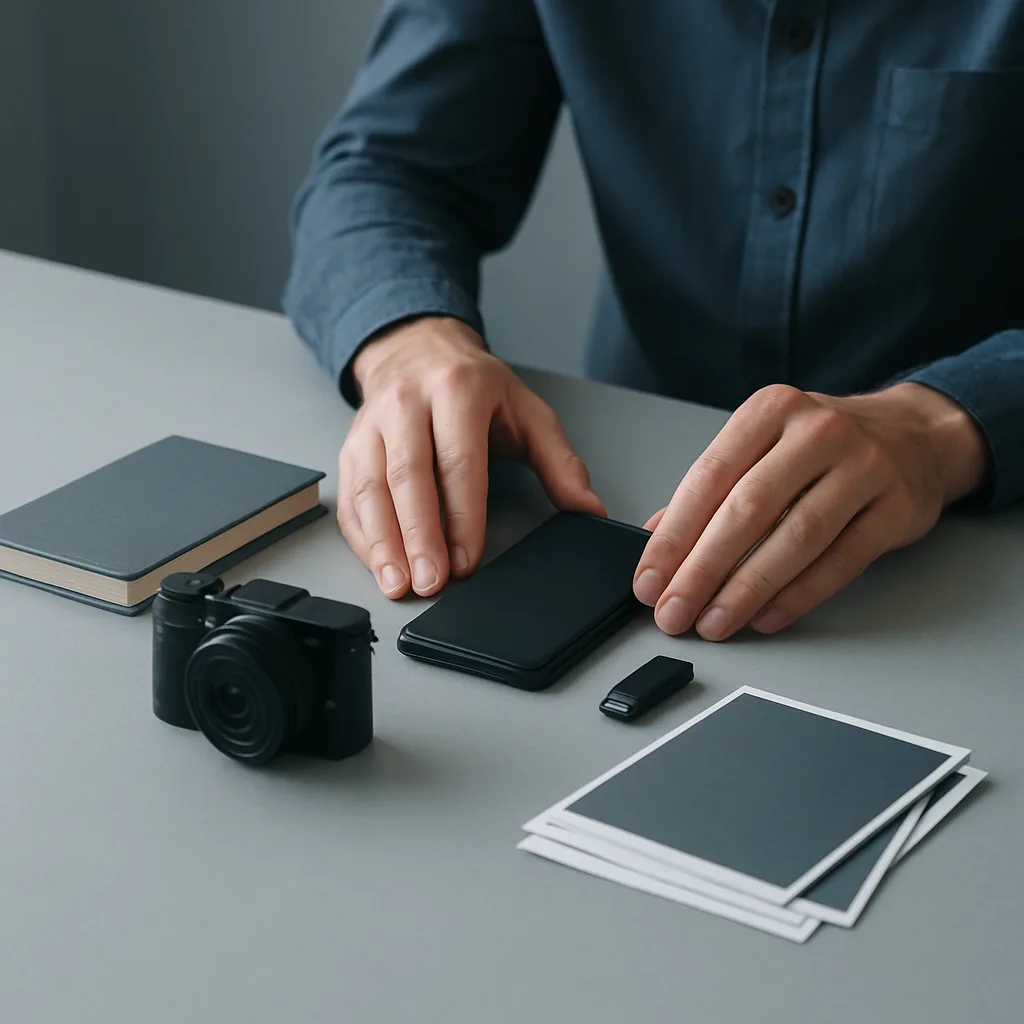
Preserving Messages, Call Logs, Videos, and Other Austin Evidence
Preservation is one of the most practical steps after an allegation or arrest. Evidence can be lost through routine phone updates, deleted cloud files, overwritten video, damaged devices, or changes to online accounts. At the same time, creating new material solely to influence a case can raise questions about authenticity and intent.
A general preservation checklist may include:
- Keep the original phone, tablet, computer, camera, or storage device when possible. Do not factory-reset it or use an app designed to erase records.
- Preserve complete text-message and messaging-app threads, including surrounding messages, attachments, timestamps, and account information. Avoid saving only favorable screenshots.
- Save call logs and voicemail records, including missed calls and calls that were not answered. Do not edit contact names or alter the device’s displayed information.
- Preserve photographs and videos in their original form. Keep metadata when available, and record when and how the file was obtained without changing the original.
- Identify possible 911 calls, dispatch communications, doorbell footage, apartment or business video, and body-camera recordings. Counsel may be able to pursue relevant materials through the applicable process, but availability and retention can vary.
- Gather medical records, discharge paperwork, photographs, and appointment information. Keep originals and avoid adding captions or edits to the files themselves.
- Preserve location information, such as phone location history, ride records, application records, or access logs, if it may establish timing or presence. Do not create a new account or alter settings merely to manufacture a record.
- Write down potential witnesses and their contact information. Do not pressure anyone to change a statement, coordinate stories, or contact a protected person in violation of an order.
If alleged contact may involve a protective order, readers can review information about evidence in a Texas protective order violation case. A protective order’s language and restrictions are important; preserving records does not authorize contact that the order prohibits.
Body Cameras, Officer Observations, and Conflicting Accounts
Body-camera video can show an officer’s arrival, statements made at the scene, visible conditions, the location of people, and the sequence of certain interactions. It may also capture statements by neighbors, children, relatives, or other witnesses. However, a camera’s field of view, audio quality, activation time, and position can limit what the recording shows. A video may be important without being a complete record of the event.
How evidence may be challenged or explained
A defense lawyer may examine questions such as:
- When did recording begin, and was there earlier activity that the camera did not capture?
- Does the audio clearly identify who is speaking and what was said?
- Are there multiple camera angles, dispatch records, photographs, or supplemental reports?
- Do the recorded statements match or conflict with later accounts?
- Was a phone, message account, or other digital material searched or seized, and what process was used?
These questions do not mean evidence will be excluded. They help separate preservation from admissibility. Depending on the facts, a lawyer may evaluate whether to request additional records, investigate missing context, or consider an evidence suppression motion in Texas when the way evidence was obtained raises a legal issue.
Conflicting evidence also requires care. A text that appears threatening may have earlier context. A calm body-camera interaction may occur after a tense event. A lack of visible injury may be relevant but does not necessarily resolve what happened. Likewise, an injury photograph may require testimony or other evidence explaining its timing and cause. Counsel may compare the full chronology with officer observations, witness statements, photographs, and medical documentation.
In Austin and Travis County, the practical process may involve records from multiple sources, including emergency dispatch, law enforcement, medical providers, property managers, and digital platforms. Retention periods and access rules are not identical for every source. Promptly identifying possible evidence can help an attorney evaluate what may still be available.
Frequently Asked Questions
Can a 911 recording be used if the caller does not testify?
Possibly, depending on the circumstances and the evidentiary rules applied in the Texas case. A recording may raise questions about hearsay, confrontation rights, authentication, completeness, and whether the statements fit a recognized exception. The result can depend on what the caller said, why it was said, whether the caller appears in court, and how the prosecution offers the recording. An Austin defense attorney can evaluate those issues in context.
Are deleted text messages automatically gone forever?
Not always. Copies may exist on another device, in a cloud account, through a service provider, in a backup, or in a screenshot held by another person. Recovery is not guaranteed, and attempting to delete or alter messages after learning of an investigation can create separate concerns. Generally, preserving the device and discussing it with counsel is safer than using an app or service that changes the data.
Does body-camera video show everything police need to prove?
No. Body-camera footage may be important, but it typically shows only the camera’s perspective during the recorded period. It may not capture events before officers arrived, activity outside the camera’s view, or conversations affected by distance and background noise. Investigators may compare it with 911 audio, photographs, medical records, texts, witness accounts, and officer reports. Its significance depends on the complete evidentiary record.
What if photographs or medical records do not match the accusation?
Differences may be relevant, but they do not automatically determine the outcome of a Texas case. Counsel may examine when photographs were taken, whether records describe the reported history, what treatment occurred, and whether other evidence supports or contradicts those materials. A person who believes the accusation is inaccurate should preserve potentially helpful records and ask a qualified attorney how the information may be presented lawfully.
How Tijerina Law Firm Can Help
Tijerina Law Firm is dedicated to helping clients understand the evidence and procedure involved in Texas domestic-violence and criminal-defense matters. The firm can evaluate how 911 recordings, texts, call logs, body-camera video, photographs, medical records, location data, and witness accounts fit together, while also considering protective-order restrictions and potential evidence-collection issues.
The legal team is committed to fighting for clients’ rights and developing a fact-specific defense strategy. If you are dealing with an allegation or investigation in Austin, Texas, contact Tijerina Law Firm for a free consultation or case evaluation.
The information in this article is for educational purposes only and does not constitute legal advice. Contact a qualified attorney licensed in Austin, TX; Texas for advice specific to your situation.
